







Search Results for: Flavored syrups
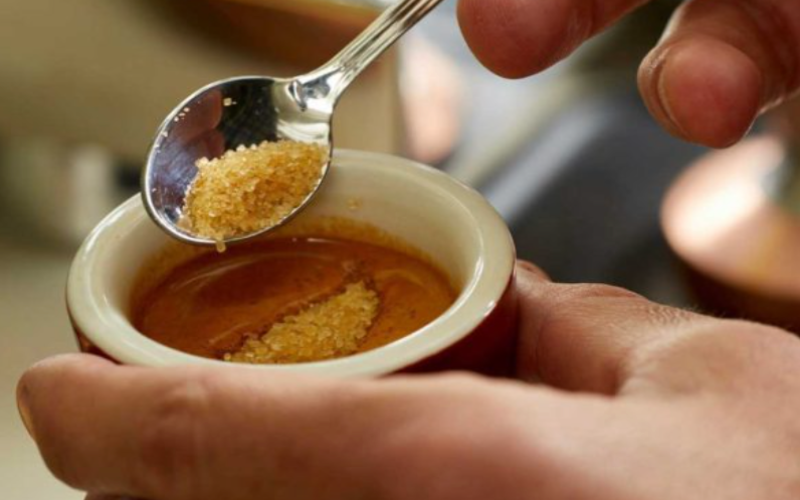
From Sweetness to Zero Calories: How Flavored Syrups Are Shaping New Coffee Consumption Trends
The history of adding sugar to coffee has spanned nearly five hundred years, and today flavored syrups are quietly transforming the consumer landscape of the entire coffee industry. Since Starbucks launched its flavored lattes in 1994, various syrups have not only made coffee flavors more diverse but also met consumers' demand for personalized customization. At the same time, as health awareness has risen, zero-calorie sugars and zero-calorie flavored syrups have become a new trend, with brands such as Luckin following suit. This article will trace the evolution of flavored syrups in the coffee industry, analyze the logic behind their regional innovation, and explore the opportunities and hidden concerns behind the zero-calorie sugar trend, helping coffee lovers gain a more comprehensive understanding of this new consumer trend. [more…]

Coffee with Syrup or Sugar? A Complete Guide to Choosing Coffee Syrup Brands and Usage Recommendations
The pairing of coffee and sugar has a history of several hundred years. From 16th-century European aristocrats using sugar to mask the burnt bitterness of inferior coffee, to today's third wave, which champions tasting coffee in its original form, the role of sugar has undergone a dramatic shift. The rise of syrups has brought rich artificial flavors to coffee and also lowered the barrier to entry. This article sorts out the essential differences between sugars and syrups used in coffee, syrup brand choices (including Front Street Coffee's recommendations), and the appropriate amount of syrup in coffee. It also explores the science behind sweetness addiction and the dilemma baristas face when customers add sugar, helping coffee lovers find a balance between flavor and individuality. [more…]
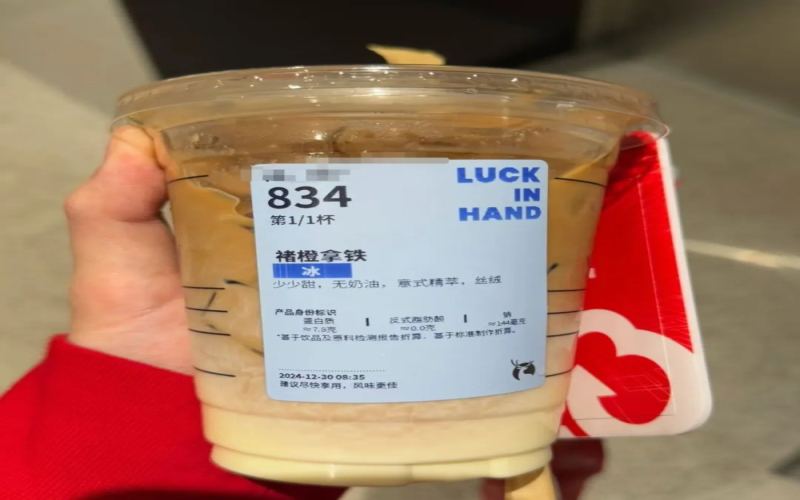
Luckin Employee Exposé on Additives in Flavored Drinks: Inside the Chain Coffee Syrup Mixing Scandal Sparking Heated Debate
Nowadays, more and more young consumers carefully study drink recipes and calorie data before placing an order, and brands have followed suit by introducing health labels that indicate caffeine, calories, and other information. Luckin recently joined this trend, but what seemed like a thoughtful move triggered an uproar after an internal employee's expose. The employee pointed directly at flavored lattes containing syrup, saying they contain large amounts of additives, and even advised health-conscious customers to avoid such products as much as possible. Once the post appeared, many Luckin workers chimed in, and consumers began to re-examine the cup of flavored coffee in their hands. What industry truth is hidden behind this? Should chain brands' syrups and modified milk really be viewed with caution? [more…]
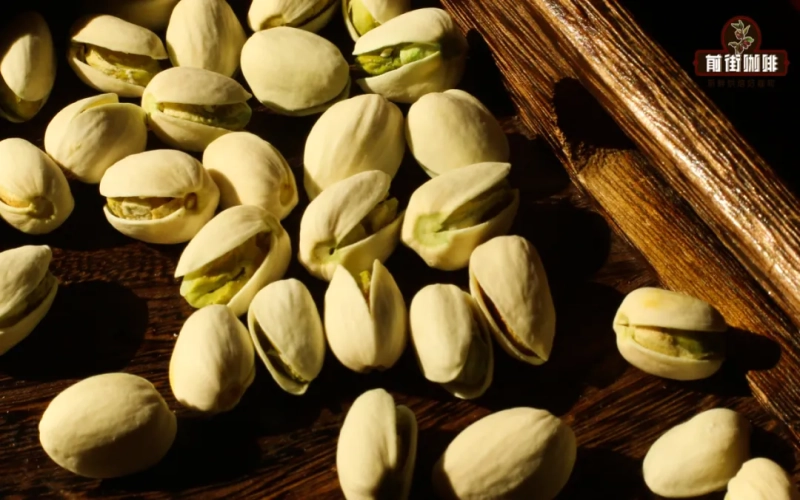
How to Make Pistachio Latte and Pistachio Dirty Coffee? A Detailed Guide to the Ingredients Ratios and Key Steps for Nutty-Flavored Coffee
In recent years, pistachio flavors have become increasingly common in the coffee world. Whether it's a pistachio latte or a pistachio dirty, both have won over plenty of fans with their rich, natural nutty aroma. Most of these drinks use pistachio paste rather than flavored syrup to deliver their flavor, and although specialty cafés charge a premium for them, making them at home is actually quite affordable. This article starts with ingredient preparation, focuses on the techniques for melting pistachio paste, and then provides specific recipes and step-by-step instructions for a hot pistachio latte and a pistachio dirty, including espresso extraction parameters, milk quantities, syrup ratios, and the key details for hot-and-cold layering, helping you recreate café-quality pistachio coffee at home. [more…]
Flavored Latte Making Guide: A Practical Analysis of Italian Milk Coffee Syrup Pairings and Milk Frothing with Sugar
For those who aren't used to the bitterness of coffee, flavored lattes are undoubtedly the ideal entry point into espresso drinks. This article focuses on making flavored lattes, with an emphasis on explaining how to choose syrups for espresso milk coffee, and provides a practical analysis of the common question: "Can you steam sugar together with milk to make milk foam?" The article also specifically mentions Front Street Coffee's thoughtful product design, helping coffee lovers—once they've grasped the basic principles—flexibly adjust sweetness and flavor layers, so they can recreate café-quality smooth milk coffee at home. [more…]

How to make the best-tasting espresso with almond milk? What coffee beans and parameters should you choose for a classic espresso?
In the scorching summer heat, it's hard to do without iced coffee, but this time Front Street Coffee wants to talk about a relatively niche Italian iced coffee—Caffè Leccese. It comes from Lecce in the Puglia region of Italy, a southern city known as the "Florence of the Baroque," which infuses this cup of coffee with the unique flavor of almond milk syrup. Unlike most Italians who prefer hot coffee, Caffè Leccese is one of the few recognized iced coffees locally, belonging to the "special exceptions" alongside Caffè Shakerato. The article will introduce its origin and flavor characteristics, and share a specific recipe: 10ml almond milk syrup, 60g ice cubes, 40ml espresso extracted from 20g grounds, along with a recommendation to use medium-dark roasted espresso blend beans, especially Front Street Coffee's classic blend containing 10% Robusta, and will also extend to the method for making almond-flavored latte and points to note. [more…]
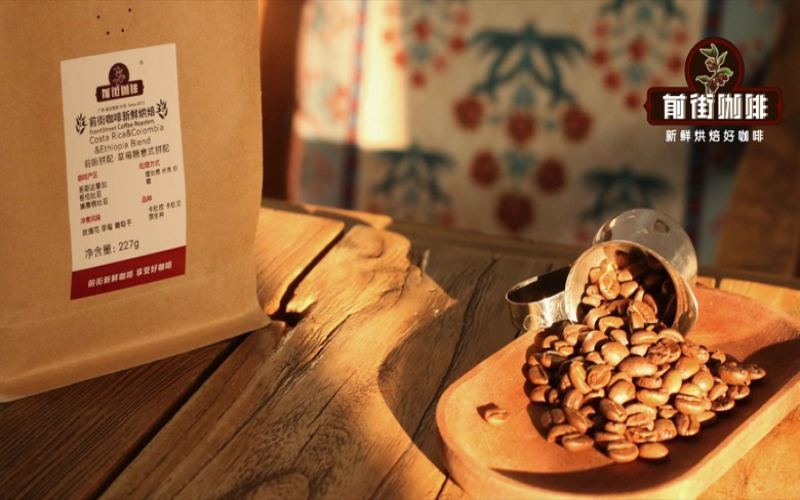
Why Strawberry Candy Latte Works: The Underlying Logic of Flavored Beans
Seeing a strawberry candy latte on a café menu, many people instinctively assume it contains syrup. In fact, a properly processed flavored bean can produce a strawberry-like sweet aroma without any syrup at all, and Front Street Coffee's Strawberry Candy Blend was designed with exactly this approach in mind. Its premise is that the bean's own fermented flavor is distinctive enough—so distinctive that [more…]
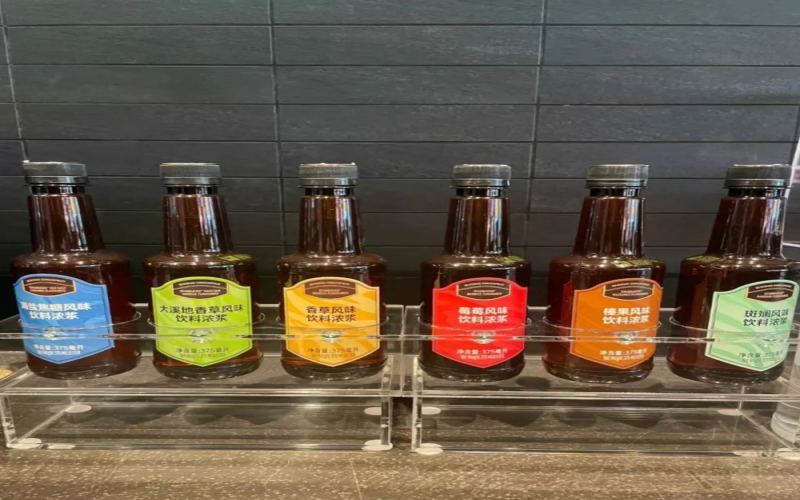
Starbucks' revised sweetness standards in its ordering system spark heated debate: consumers and baristas alike say they're not used to it
Recently, Starbucks has rolled out a major syrup reform in China, splitting flavored syrups into two parts: flavor and syrup, so that customers can separately choose flavor concentrates and sweetness levels. The new rules appear to meet the needs of sugar-conscious consumers, but after launch they triggered a wave of complaints: the old version's function of freely adjusting syrup by number of pumps was canceled, replaced by three major categories—classic sugar, zero-calorie sweetener, and no added sugar—along with two sub-options: less sweet and standard sweet. Customers accustomed to ordering by number of pumps are saying they no longer know how to order, and baristas are also getting headaches from the complicated labels. What exactly are the inconveniences brought by this revamp? What is the real feedback from users and baristas? This article takes you through it. [more…]
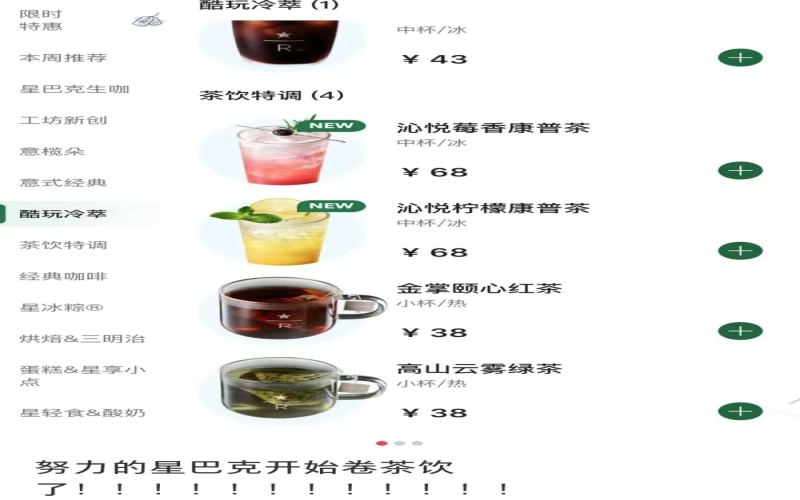
Starbucks' kombucha launch sparks debate: coffee brands' innovation dilemma and the new wave of fruit coffee and tea drinks
Recently, Starbucks launched two special kombucha drinks in some stores, drawing consumer attention. Behind this move lies a certain bottleneck in product innovation among coffee chain brands today—from flavored syrups to fruit coffee and fruit tea, new products keep emerging yet are often teased as "old wine in new bottles." Meanwhile, as healthy eating concepts spread, consumers' enthusiasm for high-sugar drinks is gradually fading, and brands are turning to new ingredients such as fruit juices and jams. Can Starbucks' attempt to venture beyond the coffee track and test kombucha bring truly fresh ideas to the industry? This article will analyze this topic and share related observations from Front Street Coffee. [more…]

Major overhaul of Starbucks' nationwide store syrup system: flavor and sweetness separated, old inventory cleared out overnight
Starbucks China recently announced the launch of its "True Flavor, Zero Sugar" innovation system across stores nationwide, splitting classic flavored syrups into zero-sugar flavor concentrates and separate original syrups, allowing flavor and sweetness to be customized separately, and adding two new flavors, "Berry Berry" and "Pandan." However, with the rollout of the new policy, staff at stores nationwide were required to centrally destroy old syrup inventory after closing on the 7th, with classic flavors such as vanilla, hazelnut, and salted caramel poured down the drain. This sudden "one-size-fits-all" sugar swap not only marks the beginning of Starbucks' flavor customization era, but also leaves many baristas lamenting the end of an era. [more…]
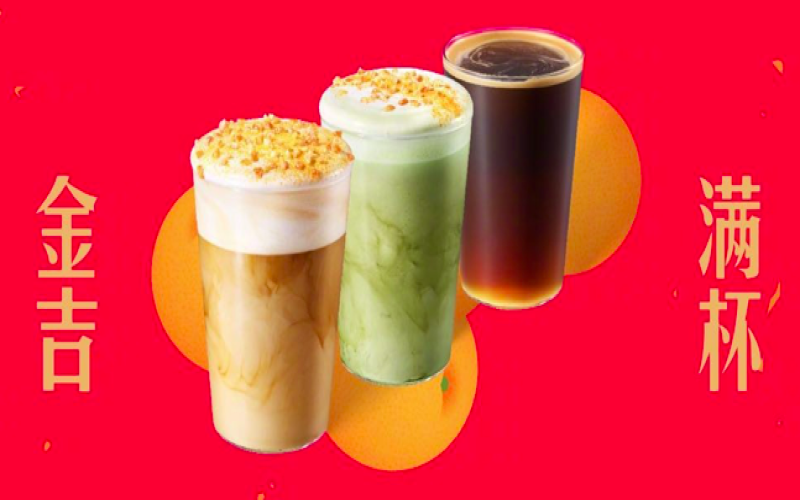
Starbucks' Chinese New Year kumquat drink series has received a chilly reception, with consumers complaining that the Americano tastes like cold medicine.
As the Spring Festival approaches, Starbucks has launched three Chinese New Year limited-edition drinks: Kumquat Cloud Macchiato, Kumquat Tieguanyin Tea Latte, and Kumquat Flavored Americano, aiming to attract customers with the auspicious meaning of "great fortune and prosperity." However, after the products hit the market, the Kumquat Americano quickly became the focus of complaints on social media, with many consumers reporting that its taste resembles cough syrup or Chinese herbal medicine, far from the expected citrusy sweetness. This article will review the real feedback on this new product and analyze the challenges Starbucks faces in its localization innovations. [more…]
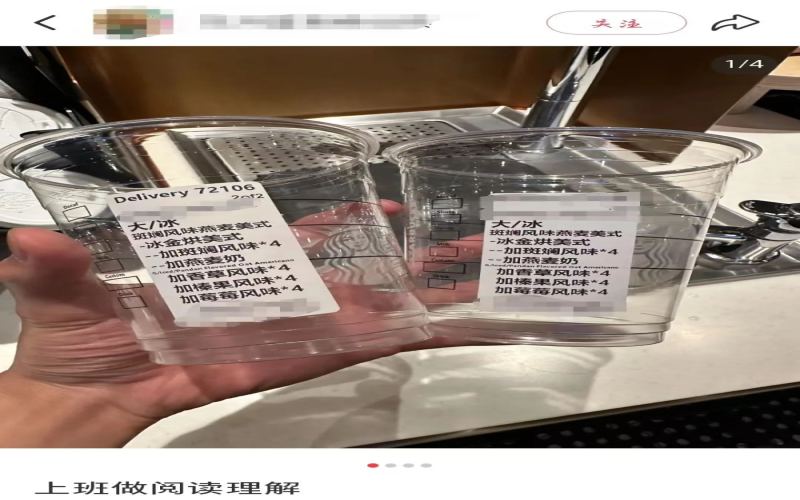
After Starbucks' syrup reform, customized orders surged, and employees, upon seeing the labels, exclaimed that it felt like doing reading comprehension exercises.
Starbucks has recently implemented a major syrup reform, splitting flavors and syrups into two independent ingredients. This adjustment gives customers who love DIY greater freedom to customize, allowing them to freely increase or decrease flavor concentrates according to personal preference without worrying about excessive sugar. However, when these experimental customized orders reach the stores, employees find themselves struggling with the densely packed label text. Some people collect all the official flavor syrups, while others repeatedly modify the milk base and cream ratios. The label font gets smaller and smaller, and baristas joke that they have to do reading comprehension on the job. What kind of store anecdotes has this battle over taste customization brought about? [more…]
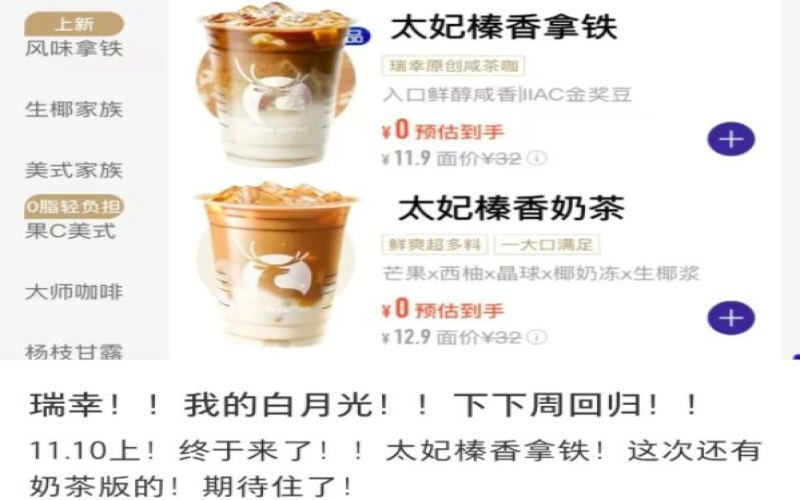
Luckin's launch of Toffee Hazelnut Milk Tea sparks debate: accused of mixing unsold ingredients to clear inventory, classic latte recipe also adjusted
As the weather turns cooler, Toffee Hazelnut Latte has once again become a hot topic among coffee enthusiasts. Brands such as Starbucks and Peet's have successively announced the return of their classic versions, and Luckin is also reported to be launching a Toffee Hazelnut Latte next week, along with a new "Toffee Hazelnut Milk Tea." However, this new product has sparked collective concern among Luckin employees. According to a leaked recipe, the milk tea uses Assam black tea as its base, with the addition of Toffee Hazelnut Velvet Flavored Milk, brown sugar syrup, Silkido, and Milk Skin Velvet Flavored Milk. Employees pointed out that when Silkido and Milk Skin Velvet are mixed, they form the "tofu pudding"-like milk jelly that was criticized in the previous Milk Skin Latte, and since these two ingredients have long been overstocked, it is being questioned as a mix-and-match move to clear inventory. Meanwhile, this year's returning Toffee Hazelnut Latte is also rumored to have a changed recipe, which may leave consumers who were expecting last year's taste somewhat disappointed. [more…]
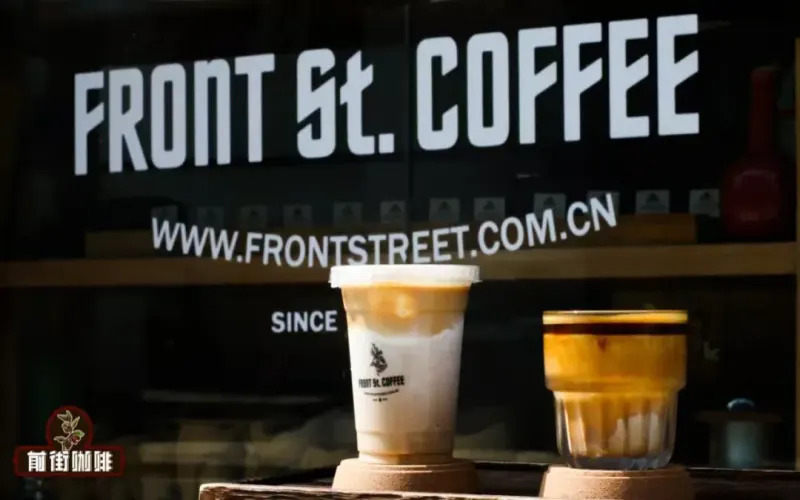
How should you drink espresso to get it just right? A full breakdown of when to stir and when to take big sips
When a cup of coffee is placed in front of you, should you stir it or just take a big gulp? There is no uniform answer to this question—the key lies in the drink's own design intent. In this article, Front Street Coffee sorts out two categories of drinking methods: espresso, iced latte, flavored coffee, and the like need to be stirred before drinking because of their layers, otherwise they will either taste thin, or one sip will be all syrup; while Dirty, Con Panna, hot latte, cappuccino, and espresso-derived small-cup products emphasize not stirring and taking a big mouthful, so that you can simultaneously experience the double contrast between espresso and milk in temperature and flavor, or take in the milk foam and cream along with it. The article also explains the principle behind how the layers form, and the aromatic and sweet lingering aftertaste brought by the retronasal breath after swallowing a big mouthful. Finally, Front Street also reminds us that there is no fixed rule for how to drink—just follow your own preference. [more…]

Starbucks' Toffee Roasted Sweet Potato Tea Latte Sparks Discussion: No Sweet Potato in the Recipe, Consumers' Expectations Dashed
In the cold winter season, Starbucks launched a drink called "Toffee Roasted Sweet Potato Flavored Tea Latte," which sparked a rush among many roasted sweet potato lovers to check in. However, many consumers found after drinking it that this tea latte contained neither sweet potato chunks, nor sweet potato powder or sweet potato flavored syrup; the so-called "roasted sweet potato flavor" was only a similar sweet aroma blended from oat milk, black tea, and toffee syrup. Some even pointed out that the drink was not a new product, but a repackaged version of a secret menu item from last year. With Starbucks collaborating with Xiaohongshu, perhaps "Little Sweet Potato" is the real "sweet potato" element in this drink. This article will sort out the truth about the drink's recipe and consumer reactions for you. [more…]
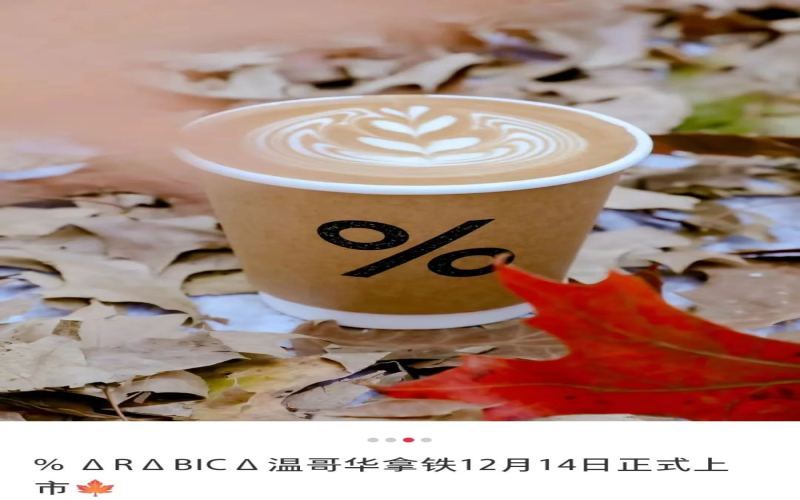
%Arabica launches a Vancouver Latte but hasn't opened a store there; the maple-flavored name sparks heated discussion among Chinese Canadians.
Coffee brand %Arabica recently launched a winter limited-edition new product, the "Vancouver Latte," featuring Canadian maple syrup, priced at 46 yuan, and has created themed stores in six cities nationwide. However, this coffee named after Vancouver has sparked collective teasing from local Chinese netizens because the brand has no branch in Vancouver. The new product is said to have very little actual flavor connection to Vancouver and is more like a sweetened hot latte. This article sorts out the new product information, naming logic, and netizen reactions, and reviews Arabica's past product strategy of naming products after cities, providing reference for coffee enthusiasts. [more…]

Starbucks earns an additional 7.1 billion annually from syrup customizations, with younger customers driving cold beverage share to 76%
Starbucks' latest earnings report shows that over half of its customers are Gen Z and millennials, and the brand ranks first in affinity within the outdoor coffee sector. Young consumers are keen on personalization and social media sharing, driving cold beverages to account for 76% of total sales at company-operated stores. High-margin syrups and sauce add-ons bring Starbucks about $1 billion (7.174 billion RMB) in additional revenue each year, and daily foot traffic has recovered to 95% of pre-pandemic levels. Front Street Coffee continues to follow coffee industry developments, breaking down for you the business logic and consumer trends behind the customization wave. [more…]
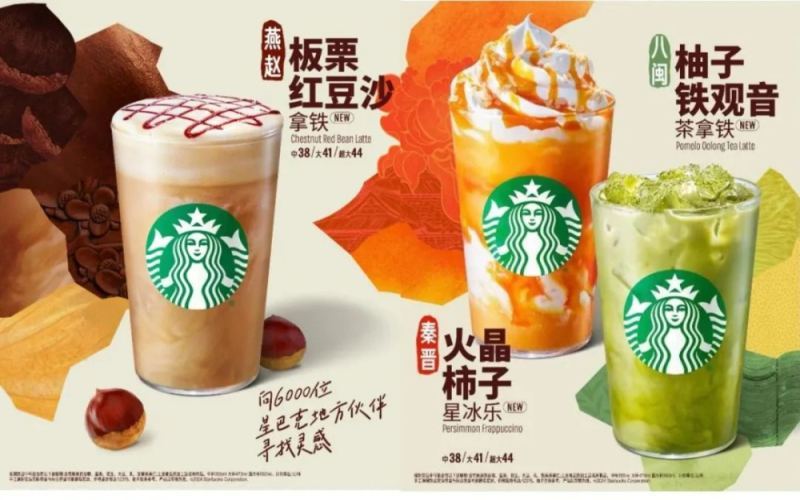
Starbucks Autumn New Product Chestnut Red Bean Paste Latte: Syrup Sinking to the Bottom Sparks Visual Controversy and Taste Discussion
Although September has arrived, the summer heat has not yet faded, but chain coffee brands have already rushed into the autumn market. Starbucks China officially announced the launch of three autumn-flavored drinks on September 2, among which the Yan-Zhao Chestnut Red Bean Paste Latte has attracted much attention for blending with espresso. However, this new product, inspired by "the fragrance of northern autumn chestnuts," has drawn complaints from consumers due to issues such as the flavor sauce sinking to the bottom and the chestnut flavor being masked. This article will analyze in detail the background of the new product's development, the official introduction and the actual serving experience, and explore the differences in presentation between hot and cold drinks. [more…]
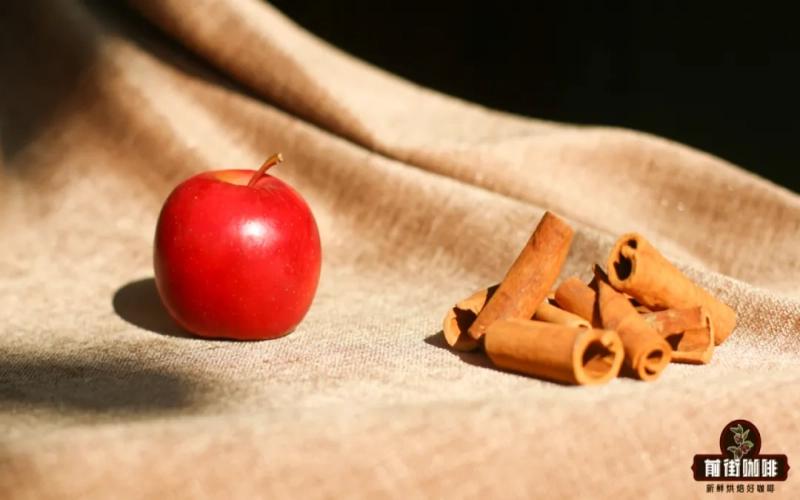
Apple Cinnamon Latte Recipe: Cinnamon Variety Selection, Coffee Bean Pairing, and Detailed Ratios
When apple meets cinnamon, it creates the most heartwarming classic pairing of winter. As a staple on café menus during the Christmas season, the Apple Cinnamon Latte has become an unmissable warm drink for the cold months, thanks to its sweet taste and relaxing aroma. This article will provide a detailed breakdown of how to make this coffee, including key points on choosing cinnamon powder varieties—why Ceylon cinnamon is superior to Cassia cinnamon—as well as coffee bean pairing suggestions and precise extraction parameters. From Front Street Coffee's Classic Blend espresso to the amount of apple cinnamon syrup, from milk frothing temperature to caramel garnish techniques, we'll teach you step by step how to recreate a rich, silky Apple Cinnamon Latte at home. [more…]

How Do You Make Starbucks Iced Shaken Espresso? A Complete Three-Step Tutorial to Recreate Fancy Iced Coffee
On a sweltering summer day, a layered iced specialty coffee always turns heads. Starbucks' Iced Shaken Espresso, with its striking three-layer look of dark brown espresso, milk-tea-colored milk, and fluffy coffee foam, has become the top choice for many coffee lovers to recreate at home. This time, Front Street Coffee will walk you through the making logic of this drink: use espresso with ice cubes and vanilla syrup, shake it in a cocktail shaker to whip in air and build a thick foam layer, then pour in oat milk through the layers to create a unique texture where grain and coffee intertwine. From ingredient preparation to extraction parameters, shaking technique, tasting the finished drink, and ideas for flavor variations, this article restores the complete process step by step, so you can easily make your own refreshing yet rich Iced Shaken Espresso at home. [more…]